
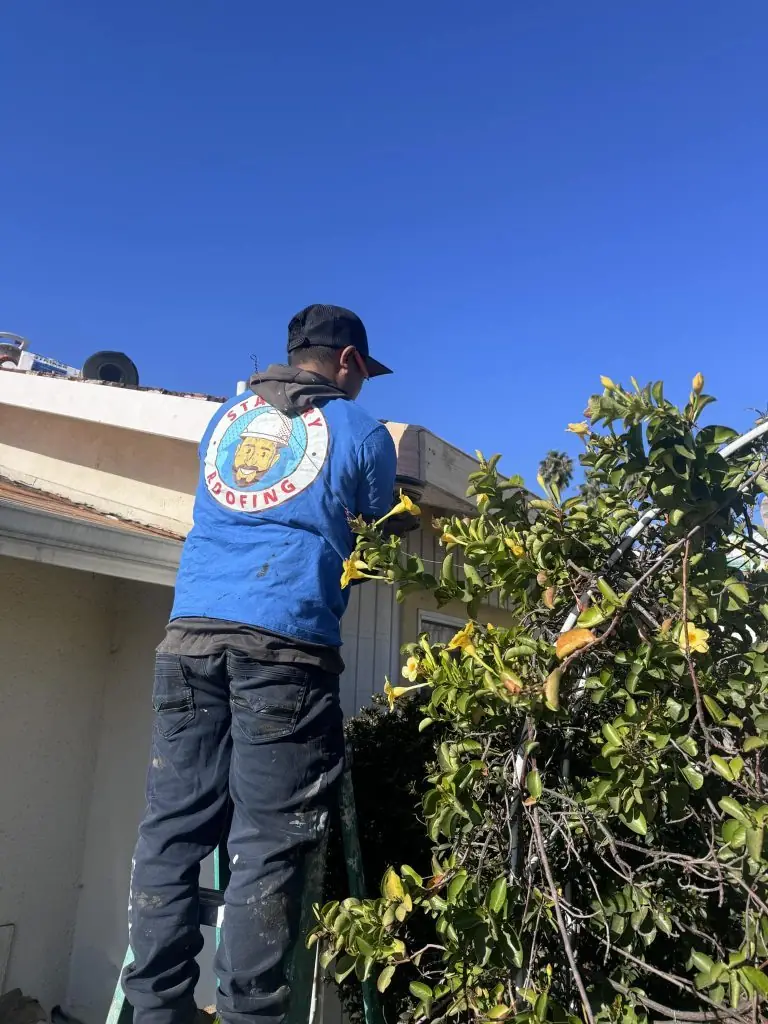
Fascia boards form a critical component of your roof’s edge protection system, providing the structural foundation for gutter attachment while creating clean architectural lines that define your home’s exterior appearance. When fascia boards deteriorate from water damage, pest infestation, or age-related decay, they compromise both your roof’s functional integrity and your property’s curb appeal. Timely professional fascia repair prevents minor damage from escalating into extensive repairs involving roof decking, rafter ends, and complete gutter system replacement.
Our fascia board repair services restore structural integrity and aesthetic quality to Mission Viejo properties throughout Orange County. Whether your fascia shows early signs of deterioration requiring preventive intervention or has sustained severe damage demanding comprehensive replacement, our experienced carpentry team delivers lasting solutions that protect your roofing investment while enhancing your home’s appearance.
Understanding Fascia Boards and Their Critical Functions
Fascia boards mount vertically along roof edges, typically constructed from 1×6, 1×8, or 2×6 dimensional lumber depending on roof design and construction era. These boards attach directly to rafter or truss ends, creating the finished edge where roofing materials terminate and providing the mounting surface for gutter systems. According to the National Association of Home Builders, properly installed and maintained fascia boards should last 20-30 years, though Southern California’s climate and installation quality significantly influence actual service life.
The fascia system serves multiple essential functions that explain why deterioration creates cascading problems affecting broader roofing systems. Structurally, fascia boards provide critical attachment points for gutters that must support substantial weight during rainstorms. A typical residential gutter section can hold 50-100 pounds of water during heavy rainfall, creating significant load on fascia board mounting points. Deteriorated fascia lacking adequate strength allows gutters to pull away from homes, causing overflow that damages foundations, landscaping, and exterior walls.
Aesthetically, fascia boards create the clean horizontal lines visible from street level that substantially influence curb appeal and property values. Warped, rotted, or stained fascia boards immediately signal maintenance neglect to potential buyers and neighbors. Mission Viejo’s well-maintained neighborhoods with active homeowner associations make visible fascia deterioration particularly problematic, potentially triggering compliance notices or reducing property values.
From a moisture management perspective, fascia boards protect vulnerable roof edge areas from water infiltration. Properly installed fascia with appropriate drip edge flashing directs water away from rafter ends and into gutters, preventing the moisture exposure that causes wood decay. When fascia deteriorates or pulls away from roof structures, water accesses rafter ends causing dry rot that extends damage deep into roof framing systems.
The U.S. Census Bureau reports Mission Viejo’s median home was built in 1977, meaning thousands of local properties feature original or first-replacement fascia boards approaching 30-50 years old. These aging systems increasingly require professional repair as materials reach the end of their functional service lives. Understanding common fascia failure modes helps property owners recognize when professional intervention becomes necessary.
Common Fascia Board Problems Requiring Professional Repair
Fascia boards develop characteristic deterioration patterns reflecting their exposure to weather, moisture, and biological threats. Recognizing these common problems enables early intervention before damage extends into more expensive structural repairs.
Water Damage and Wood Rot
Water exposure represents the primary cause of fascia deterioration throughout Mission Viejo. While our region receives only 12-15 inches of annual rainfall according to U.S. Climate Data, concentrated winter storms deliver substantial precipitation that challenges fascia systems. Clogged gutters overflow directly onto fascia boards, saturating wood that remains damp between storms. Missing or improperly installed drip edge flashing allows water to flow behind fascia, causing rot invisible from ground level.
Wood rot manifests in two primary forms with different characteristics and repair requirements. Dry rot results from fungal growth that breaks down wood cellulose, creating brittle, crumbly material that loses all structural integrity. Despite its name, dry rot requires initial moisture exposure to establish fungal colonies, though deterioration continues even after wood dries. Severely dry-rotted fascia literally crumbles when touched, clearly indicating complete replacement necessity.
Wet rot occurs when wood remains constantly saturated, supporting bacterial and fungal growth that softens materials into spongy, dark-colored masses. Wet-rotted fascia feels soft when probed with screwdrivers or other tools, indicating material has lost load-bearing capacity. Both rot types require complete removal of affected wood and replacement with sound materials since rot continues spreading through remaining infected fibers even after visible damage removal.
Early-stage water damage appears as dark staining, paint peeling, or minor surface softening. Catching deterioration at this stage allows for more conservative repairs including wood hardening treatments, epoxy fillers, and protective coating applications that extend fascia life without complete replacement. We assess damage severity using moisture meters and probe testing, determining whether repair or replacement provides the most cost-effective long-term solution.
Pest Damage and Insect Infestation
Termites, carpenter ants, and wood-boring beetles view fascia boards as readily accessible food sources. The University of California Agriculture and Natural Resources confirms that Orange County’s mild climate supports year-round pest activity rather than the seasonal patterns common in colder regions. Fascia boards damaged by previous water exposure prove particularly vulnerable to insect infestation as softened wood provides easy entry and optimal moisture for colony establishment.
Termite damage creates distinctive patterns of hollowed wood with mud tubes connecting soil to wood members. Drywood termites common in Southern California don’t require soil contact but leave tiny fecal pellets and hollow galleries within wood structures. Subterranean termites build mud shelter tubes along foundation walls and up to fascia boards, providing protected pathways between underground colonies and wood food sources. Both species can cause extensive hidden damage before external symptoms become obvious.
Carpenter ants excavate galleries within fascia boards for nesting rather than nutrition, but damage proves equally destructive. These large black ants leave sawdust-like frass near entry holes and create smooth-walled cavities weakening structural integrity. Carpenter ant activity often indicates underlying moisture problems since these insects prefer damp, partially decayed wood for colony establishment.
Wood-boring beetle larvae tunnel through fascia creating networks of holes that weaken boards structurally. Adult beetles emerge leaving distinctive round exit holes, but most damage occurs from larval feeding over months or years before adult emergence. Severe beetle infestation requires fumigation or localized treatment before repair work proceeds, preventing re-infestation of new materials.
Comprehensive pest damage repairs address both visible deterioration and underlying conditions attracting insects. We remove all infested materials, treat surrounding areas to eliminate remaining pests, correct moisture problems facilitating infestation, and install new fascia with preventive treatments discouraging future pest activity.
Paint Failure and Surface Deterioration
Southern California’s intense UV radiation accelerates paint degradation on fascia boards more rapidly than in cloudier climates. The National Oceanic and Atmospheric Administration confirms Orange County receives among the highest solar radiation levels in the continental United States. This constant UV exposure breaks down paint binders, causing chalking, fading, and eventual complete coating failure that exposes bare wood to moisture and biological attack.
Peeling paint typically indicates underlying moisture problems rather than simple coating failure. Water infiltrating behind paint films causes blistering and delamination as moisture vapor tries escaping through coating surfaces. Extensive peeling demands investigation identifying moisture sources before repainting, as new coatings over wet substrates fail quickly regardless of paint quality.
Fascia boards left exposed after complete paint failure absorb water readily during rainfall, beginning the decay process that leads to rot within months or years. Timely repainting when minor coating deterioration appears prevents this water absorption, extending fascia life substantially through simple maintenance. Properties with consistently maintained paint finishes often see original fascia boards last 40-50 years, while neglected boards require replacement after 15-20 years.
Warping, Splitting, and Physical Damage
Thermal cycling and moisture content changes cause fascia boards to warp, twist, or develop splits along grain patterns. Mission Viejo’s significant day-to-night temperature fluctuations create constant expansion and contraction stresses. Boards installed with inadequate fastening or using inappropriate moisture content lumber prove particularly susceptible to warping that creates gaps between fascia and roof edges.
Warped fascia pulls gutters away from proper alignment, causing drainage problems and creating entry points for pests and water. Splits develop along board length when shrinkage stresses exceed wood strength, typically occurring in boards with natural defects or inadequate moisture content at installation. These splits admit water directly into wood interiors, accelerating rot development.
Physical damage from falling branches, improper ladder placement, or contractor damage during other maintenance work creates immediate repair needs. Broken, cracked, or heavily dented fascia compromises both appearance and function, requiring prompt professional attention preventing moisture infiltration through damaged areas.
Gutter-Related Fascia Damage
Improperly installed or maintained gutters create concentrated stress on fascia boards. Gutters installed without adequate hangers concentrate weight at fewer attachment points, causing fascia boards to bow or pull away from rafter ends. Over-tightened gutter screws crush fascia boards, creating weak points that split under stress. Clogged gutters overflowing directly onto fascia saturate wood repeatedly, accelerating decay.
Ice damming during rare Mission Viejo freezing events creates exceptional stress. Water trapped behind ice accumulations backs up under shingles and saturates fascia from behind. While infrequent in our climate, even occasional ice dam events cause damage requiring professional repair. We address both fascia deterioration and underlying gutter or drainage problems causing damage, ensuring repairs deliver lasting performance.
Our Comprehensive Fascia Board Repair Process
We’ve developed systematic approaches for fascia repairs that address visible damage while identifying and correcting underlying causes. This methodology ensures repairs provide long-term solutions rather than temporary cosmetic fixes.
Thorough Inspection and Damage Assessment
Every fascia repair project begins with comprehensive assessment determining damage extent and root causes. Our technicians inspect all fascia sections from ground level and using ladders for close examination. We probe suspected soft spots with awls or screwdrivers, measuring damage depth and extent. Moisture meters quantify current water content, indicating active moisture problems requiring attention beyond simple board replacement.
We examine gutter systems for proper installation, adequate support, and drainage functionality. Roof edge conditions receive scrutiny including drip edge flashing, proper shingle overhang, and adequate clearance preventing water from flowing behind fascia. Soffit ventilation gets assessed since inadequate attic ventilation creates moisture condensation contributing to fascia decay. This holistic assessment identifies all factors contributing to deterioration rather than simply documenting visible damage.
Documentation includes detailed photographs showing damage extent, written descriptions of problems discovered, and measurements for material ordering. We provide comprehensive reports explaining findings, recommending repair approaches, and outlining underlying condition corrections preventing recurring problems. This thorough assessment ensures repair scopes address all necessary work without overlooking hidden damage.
Selective Fascia Section Replacement
When damage affects isolated fascia sections while surrounding boards remain sound, we perform selective replacement minimizing costs while ensuring structural integrity. This involves carefully removing damaged sections by cutting precise boundaries at rafter locations, extracting deteriorated materials without damaging adjacent sound boards, and installing new fascia sections matching existing dimensions and profiles.
We use premium lumber selected for minimal defects, appropriate moisture content (typically 12-15% for Mission Viejo’s climate), and matching species to existing materials. Cedar fascia gets replaced with cedar maintaining uniform appearance and performance. Pressure-treated lumber suits applications requiring enhanced moisture resistance. We back-prime all new boards before installation, applying protective coatings to surfaces that will be inaccessible after installation.
Proper fastening techniques ensure new sections integrate structurally with existing fascia and attach securely to rafter ends. We use corrosion-resistant screws rather than nails, providing superior holding power and easier future repairs if needed. Joints between new and existing sections receive caulking with flexible sealants preventing water infiltration. New boards get beveled or shaped matching surrounding fascia profiles, creating seamless transitions.
Complete Fascia System Replacement
When deterioration affects most fascia around a home or damage extends into rafter ends requiring structural repairs, complete fascia replacement provides the most cost-effective long-term solution. This comprehensive approach removes all existing fascia, allows inspection and repair of exposed rafter ends, and installs entirely new fascia systems with modern materials and techniques.
Complete replacement enables us to address previously inaccessible problems including rafter end decay, improper original installation, or inadequate drip edge flashing. We sister new lumber alongside damaged rafter ends restoring full structural capacity before fascia installation. Missing or deteriorated drip edge gets replaced with premium components properly integrated with new fascia. Soffit ventilation improvements can be incorporated simultaneously, creating comprehensive roof edge improvements.
New fascia installations use consistent premium materials throughout, eliminating the appearance mismatches that sometimes occur with section repairs. We can upgrade from standard dimensional lumber to composite materials offering superior moisture resistance and longevity. Complete replacement also provides opportunities for dimensional improvements like upgrading from 1×6 to 1×8 fascia creating more substantial architectural presence.
Composite and Engineered Fascia Solutions
Modern composite fascia materials manufactured from wood fibers and polymer binders offer significant advantages over traditional lumber in Mission Viejo’s climate. These engineered products resist rot, insect damage, and moisture-related deterioration while maintaining dimensional stability across temperature fluctuations. Composite fascia never requires painting, eliminating ongoing maintenance while maintaining attractive appearance indefinitely.
We install composite fascia using manufacturer-specified techniques ensuring proper expansion gap allowances and appropriate fastening. These materials cost more initially than dimensional lumber but deliver 50+ year service lives with virtually zero maintenance requirements. For property owners seeking long-term solutions minimizing future repair needs, composite fascia represents excellent value despite higher upfront investment.
Fiber cement fascia provides another premium alternative combining superior durability with traditional appearance. These cementitious boards resist moisture, insects, and fire while accepting paint finishes that last years longer than coatings on wood substrates. Fiber cement installation requires special cutting tools and techniques that our experienced crews have mastered.
Integrated Gutter System Corrections
Since gutter problems often cause or contribute to fascia deterioration, many fascia repairs include coordinated gutter work ensuring lasting repairs. We remove gutters from damaged fascia sections, perform necessary fascia repairs, and reinstall gutter systems with proper hanger spacing (typically every 24 inches), correct slope for drainage, and secure attachment preventing future fascia stress.
When existing gutters show deterioration or inadequate capacity, we recommend appropriate upgrades. Switching from 5-inch to 6-inch gutters improves water handling capacity, reducing overflow incidents that saturate fascia. Premium gutter materials including aluminum, copper, or steel provide superior longevity compared to vinyl systems common on older homes. We integrate gutter improvements with fascia repairs, creating comprehensive roof edge solutions.
Protective Coatings and Finishing
All fascia repairs include premium protective coatings appropriate for materials and exposure conditions. Wood fascia receives multi-coat paint systems including primer, intermediate, and finish coats. We use 100% acrylic latex paints offering superior UV resistance, flexibility, and longevity in Southern California’s intense sun exposure. Color matching ensures repairs blend seamlessly with existing trim or provide opportunity for fresh appearance updates.
Stain finishes suit cedar or redwood fascia where natural wood appearance provides desired aesthetics. We use penetrating oil-based stains offering superior weather protection while enhancing wood grain character. Clear sealers protect wood from moisture while maintaining natural appearance, though these require more frequent renewal than opaque coatings.
Composite and fiber cement fascia installations typically include factory finishes or field-applied coatings per manufacturer specifications. These materials’ superior coating retention means painted finishes last 10-15 years between recoating compared to 5-8 years typical for wood substrates.
Preventive Maintenance for Fascia Systems
Regular maintenance dramatically extends fascia service life while preventing the expensive repairs that result from neglect. Our maintenance programs include services specifically addressing fascia protection.
- Gutter Cleaning and Inspection
Bi-annual gutter cleaning prevents the overflow conditions that saturate fascia causing rot. We remove all debris, flush systems verifying proper drainage, and inspect fascia boards for early deterioration signs. Catching moisture damage at initial stages allows simple repairs rather than extensive replacement. - Coating Renewal
Periodic repainting before complete coating failure protects wood fascia from moisture infiltration. We recommend repainting every 5-8 years for most Mission Viejo properties, with frequency depending on exposure severity and paint quality. Timely repainting costs a fraction of fascia replacement expenses while maintaining appearance and providing weather protection. - Seasonal Inspections
Annual professional inspections identify developing problems requiring attention. We examine fascia for paint failure, wood damage, pest activity, and proper gutter attachment. These proactive assessments typically reveal minor issues that inexpensive maintenance addresses before they become major repair projects.
Service Areas Throughout Mission Viejo and Orange County
Our fascia repair services protect properties throughout Mission Viejo and surrounding South Orange County communities where age and climate create ongoing maintenance demands.
Mission Viejo Neighborhoods
From original 1960s-1970s developments with aging fascia systems to newer construction requiring periodic maintenance, we serve every Mission Viejo neighborhood. Our familiarity with local architectural styles ensures repairs match existing aesthetics while meeting HOA requirements common throughout the community.
Surrounding Communities
Lake Forest, Laguna Niguel, Rancho Santa Margarita, Aliso Viejo, Laguna Hills, and all nearby Orange County areas receive comprehensive fascia repair expertise. We maintain rapid response capabilities throughout South Orange County, typically scheduling service appointments within days of initial contact.
Frequently Asked Questions About Fascia Board Repairs
How do I know if my fascia boards need repair or replacement?
Signs requiring professional assessment include visible rot or soft spots when probed, paint peeling extensively, gutters pulling away from fascia, water stains on soffit areas, or visible warping. Any of these symptoms warrant inspection determining whether repairs or replacement prove most cost-effective.
How much do fascia board repairs typically cost?
Section repairs addressing isolated damage typically cost $8-15 per linear foot including materials and labor. Complete fascia replacement averages $12-25 per linear foot depending on materials selected and job complexity. Composite or fiber cement upgrades cost $20-35 per linear foot but eliminate future maintenance and replacement needs.
Can I repair fascia boards myself?
While DIY fascia repairs are possible for those with carpentry experience, working at heights on ladders creates safety risks. Professional repairs ensure proper moisture barrier installation, correct wood treatment, structural adequacy, and integrated gutter corrections. Most homeowners find professional service delivers superior results with less risk and hassle.
How long do fascia board repairs last?
Properly executed repairs using premium materials should last 20-30 years with routine maintenance. Composite fascia installations may exceed 50 years. Longevity depends heavily on moisture management, regular gutter maintenance, and protective coating renewal.
Should I replace all fascia if only one section is damaged?
If damage remains isolated and surrounding fascia appears sound, section replacement provides adequate repair at minimal cost. However, if multiple sections show deterioration or boards are approaching 25-30 years old, complete replacement often proves more economical than repeated section repairs over coming years.
What’s the best material for fascia board replacement?
For budget-conscious repairs matching existing materials, premium kiln-dried lumber with proper moisture content provides good value. For long-term solutions minimizing maintenance, composite or fiber cement fascia delivers superior performance despite higher initial costs. We recommend materials based on your budget, maintenance preferences, and longevity expectations.
Will fascia repairs require painting my entire house?
No, section repairs require only localized painting that we match to existing colors. However, if your home needs repainting soon, coordinating fascia repairs with complete exterior painting provides opportunities for better color matching and reduces overall project costs through combined scheduling.
How do I prevent future fascia damage?
Regular gutter cleaning, prompt coating renewal before complete paint failure, ensuring proper attic ventilation, and annual inspections identifying problems early provide the best prevention. Addressing small issues immediately prevents them from becoming expensive repairs.
Do fascia repairs require permits?
Most residential fascia repairs don’t require permits as they constitute maintenance rather than structural alterations. However, extensive work involving rafter repairs or structural modifications may require permits. We advise you of any permitting requirements during estimate preparation.
Can damaged fascia affect my roof?
Yes, deteriorated fascia allows water access to rafter ends and roof decking edges. This moisture infiltration causes wood rot extending into roof structures, potentially requiring extensive carpentry repairs beyond simple fascia replacement. Addressing fascia damage promptly prevents this structural deterioration.
Why Choose Our Fascia Board Repair Services
Our carpentry expertise and roofing system knowledge ensure fascia repairs address both cosmetic appearance and structural functionality. We understand how fascia integrates with broader roofing systems, enabling comprehensive repairs that prevent recurring problems. Every repair receives the same attention to detail we provide for complete roof installations, maintaining quality standards regardless of project scope.
📍 Office Address: 26040 Acero Suite 202, Mission Viejo, CA 92691
📞 24/7 Hotline: (949) 528-7663
✉ Email: roofer714@gmail.com
🌐 Website: https://missionviejoroofrepairs.com/
Our material selection emphasizes longevity and value, using premium lumber, composites, and coatings proven effective in Mission Viejo’s climate. We provide honest assessments about repair versus replacement timing, helping you make informed decisions aligned with your budget and property ownership timeline.
Contact our team to schedule fascia inspection and repair services. We’re committed to protecting your Mission Viejo property’s structural integrity and appearance through expert fascia solutions that deliver lasting performance.