
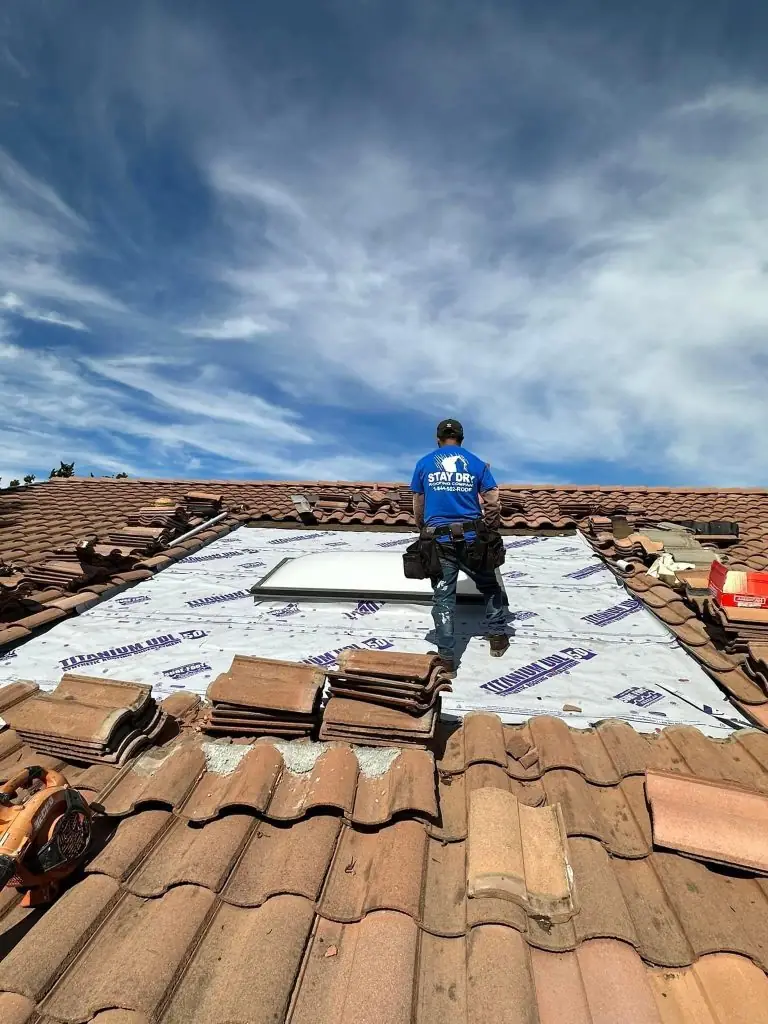
Mission Viejo’s distinctive architectural character owes much to the prevalence of clay and concrete tile roofing throughout residential neighborhoods. These durable, fire-resistant roofing systems define Southern California’s aesthetic while providing superior longevity compared to conventional materials. However, tile roofs require specialized repair expertise that addresses their unique structural characteristics, material properties, and installation requirements.
Our tile roof repair services protect Mission Viejo properties with comprehensive solutions for cracked tiles, underlayment failures, flashing issues, and structural concerns. With decades of combined experience working exclusively on tile roofing systems throughout Orange County, our technicians deliver repairs that restore your roof’s protective integrity while maintaining the architectural beauty that enhances your property value.
Understanding Tile Roofing in Mission Viejo
The popularity of tile roofing throughout Mission Viejo reflects both practical advantages and aesthetic preferences shaped by Southern California’s Spanish colonial architectural heritage. According to the Tile Roofing Institute, properly maintained tile roofs can last 50-100 years, significantly outperforming asphalt shingles’ typical 15-25 year lifespan. This exceptional longevity makes tile roofing an economically sound choice despite higher initial installation costs.
Mission Viejo’s 95,000 residents live in communities developed primarily between 1965 and 2000, with many neighborhoods featuring mandatory tile roofing requirements established by homeowners associations. These architectural standards aimed to create cohesive community aesthetics while leveraging tile’s superior fire resistance—a critical consideration given California’s wildfire challenges. The California Department of Forestry and Fire Protection classifies much of Orange County as moderate to high fire hazard severity zones, making Class A fire-rated tile roofing not just aesthetically desirable but potentially life-saving.
Clay tiles manufactured from natural terra cotta offer traditional aesthetics and exceptional durability but come with higher costs and weight considerations. Concrete tiles provide similar appearance at lower prices while offering comparable longevity and fire resistance. Both materials share common repair needs throughout their service lives, requiring professional expertise to maintain performance and appearance.
Common Tile Roof Problems Requiring Professional Repair
Tile roofing systems develop characteristic problems that differ substantially from issues affecting asphalt shingle or flat roofing installations. Understanding these common failure modes helps Mission Viejo homeowners recognize when professional repair becomes necessary.
Cracked and Broken Tiles
Individual tile failures represent the most visible and common repair need affecting Mission Viejo tile roofs. Tiles crack from multiple causes including thermal stress, impact damage, improper installation, and simple age-related material fatigue. Southern California’s intense UV radiation and significant day-to-night temperature fluctuations create expansion and contraction cycles that gradually stress tile materials. The National Oceanic and Atmospheric Administration reports Orange County experiences temperature variations of 20-30 degrees between daily highs and overnight lows during many months, creating constant thermal cycling that eventually fatigues even premium tiles.
Impact damage from falling branches, windblown debris, or foot traffic during maintenance work creates immediate tile failures requiring prompt replacement. Walking on tile roofs demands proper techniques and experience—improper foot placement concentrates weight on tile edges rather than centers, causing cracks even in relatively new materials. Many tile failures we repair result from previous contractors or homeowners who accessed roofs without proper training, creating damage while performing unrelated maintenance work.
Tiles also crack from improper initial installation, particularly when fasteners penetrate tiles rather than utilizing proper hanging methods. Over-driven nails or screws create stress points that propagate cracks as tiles expand and contract. These installation-related failures may not manifest for years or decades after original construction, making them appear as random age-related deterioration when they actually reflect improper workmanship from the original installation.
Underlayment Deterioration and Water Intrusion
While tiles themselves often last 50-100 years, the underlayment materials beneath them typically require replacement every 20-30 years. Traditional felt paper underlayments deteriorate from moisture exposure, UV radiation penetrating between tiles, and simple age-related breakdown. The underlayment provides your roof’s actual waterproof barrier—tiles primarily shed water but don’t create completely watertight surfaces. When underlayment fails, water penetrates into roof decking and attic spaces despite tiles appearing intact.
Underlayment failure symptoms include water stains on ceilings, mold growth in attics, and moisture damage to structural framing members. Unlike shingle roofs where leaks often produce obvious symptoms directly below damage points, tile roof leaks may travel considerable distances along underlayment before penetrating into living spaces. This makes source identification challenging and emphasizes the importance of professional leak detection using thermal imaging and moisture mapping technology.
Mission Viejo’s climate creates specific underlayment challenges. While annual rainfall averages only 12-15 inches according to U.S. Climate Data, concentrated winter storms can deliver substantial precipitation in short periods. When underlayment develops vulnerabilities, even brief intense rainfall can introduce significant water volumes into roof assemblies.
Flashing Failures and Penetration Problems
Flashing systems around chimneys, skylights, vent pipes, and roof penetrations represent critical waterproofing components that often fail before surrounding tile materials show deterioration. Metal flashing corrodes from weather exposure and chemical reactions with roofing materials. Sealants degrade from UV exposure and thermal cycling. These failures create leak entry points that allow water to bypass intact tiles and underlayment.
Valley flashing demands particular attention on tile roofs. Valleys concentrate water flow from large roof sections into narrow channels, creating significant hydraulic pressure during storms. Valley flashing must maintain perfect integrity to prevent water from flowing under tiles and saturating underlayment. Improper valley installation or deteriorated valley materials cause disproportionate leak problems compared to their relatively small percentage of total roof area.
Chimney flashing on tile roofs requires specialized installation techniques accommodating tile profiles while maintaining watertight seals. Counter-flashing must be properly integrated into masonry and sealed against weather intrusion. Step flashing must follow tile contours without creating gaps or channels allowing water penetration. These complex flashing requirements explain why chimney leak repairs represent a substantial portion of tile roof service calls throughout Mission Viejo.
Structural Issues and Roof Deck Problems
The considerable weight of tile roofing—600-1,000 pounds per square (100 square feet) for concrete tiles and 800-1,200 pounds per square for clay tiles—creates unique structural considerations. The International Building Code requires roof framing systems support tile weight plus live loads from maintenance access, equipment installation, and potential seismic forces. Older Mission Viejo homes built before current structural requirements sometimes developed framing inadequacy issues requiring reinforcement when tile replacement becomes necessary.
Water intrusion from failed underlayment or flashing causes roof decking deterioration that manifests as spongy or soft spots when walking on tile surfaces. Plywood or OSB decking swells and delaminates when repeatedly saturated, losing structural integrity and nail holding capacity. Severely deteriorated decking requires complete replacement before new underlayment and tile installation can proceed.
Rafter or truss damage from prolonged water exposure represents the most serious structural concern affecting tile roofs. Wood framing members that remain saturated develop rot and lose load-bearing capacity. Our structural assessments identify compromised framing requiring sister reinforcement or complete replacement to ensure your roof system safely supports tile weight.
Our Comprehensive Tile Roof Repair Process
We’ve developed systematic approaches for tile roof repairs that address both immediate damage and underlying causes contributing to failure. This comprehensive methodology ensures repairs deliver long-term performance rather than temporary fixes requiring repeated service calls.
Detailed Inspection and Assessment
Every tile repair project begins with thorough inspection identifying all existing damage and potential problems requiring attention. Our technicians walk your entire roof surface using proper techniques that prevent creating new tile damage during inspection. We examine individual tiles for cracks, chips, and displacement while assessing overall system condition.
From your attic, we inspect underlayment visibility at eaves and penetrations, looking for deterioration indicators like brittleness, tears, or moisture staining. Structural framing receives examination for water damage, adequate sizing for tile weight, and proper ventilation to prevent moisture accumulation. We document findings with detailed photographs and measurements, creating comprehensive records supporting repair recommendations.
Thermal imaging technology reveals hidden moisture infiltration and underlayment failures not visible during visual inspection. We map temperature differentials indicating saturated materials, identifying damage extent beyond what surface examination reveals. This technology-enhanced assessment ensures repairs address all existing problems rather than merely treating visible symptoms.
Individual Tile Replacement
Replacing cracked or broken tiles requires specialized techniques preserving surrounding materials while ensuring new tiles properly integrate into existing roof coverage. We carefully remove damaged tiles by breaking overlapping tiles’ mortar seals and lifting them to access fasteners securing the failed unit. This delicate process prevents damaging adjacent tiles that inexperienced technicians often crack during removal attempts.
New replacement tiles must match existing materials in profile, color, and dimensions. We maintain extensive inventories of common Mission Viejo tile profiles including Spanish S-tiles, flat profile tiles, and interlocking concrete tiles in popular colors. When exact matches aren’t immediately available, we source matching tiles from manufacturers or specialty suppliers, ensuring seamless repairs that maintain your roof’s uniform appearance.
Proper tile installation follows manufacturer specifications for fastener placement, overlap dimensions, and mortar application. We secure tiles using appropriate mechanical fasteners rather than relying solely on gravity and friction as some installers attempt. Nose closure mortar gets properly applied to prevent water-driven wind from lifting tiles during storms, while weep holes remain unobstructed to allow drainage.
Underlayment Repair and Replacement
When inspection reveals underlayment deterioration affecting limited areas, we perform section replacement addressing damaged zones without requiring complete roof underlayment removal. This approach removes tiles from affected sections, strips old underlayment, and installs new premium synthetic underlayment that overlaps existing materials following proper lap dimensions. Tiles then get reinstalled using new or existing materials depending on their condition.
Extensive underlayment failure affecting most of your roof surface necessitates complete underlayment replacement. This substantial project requires removing all tiles, stripping old underlayment, inspecting and repairing roof decking as needed, installing new underlayment across the entire roof surface, and reinstalling tiles with proper techniques. While more expensive than localized repairs, complete underlayment replacement delivers decades of additional service life for your tile roof system.
We use premium synthetic underlayments offering superior performance compared to traditional felt paper. These advanced materials resist UV degradation, maintain flexibility across wide temperature ranges, and provide enhanced tear resistance. Synthetic underlayments also feature slip-resistant surfaces improving worker safety during installation—an important consideration for the steep-slope roofs common throughout Mission Viejo.
Flashing System Restoration
Flashing repairs require removing tiles adjacent to flashing areas, extracting deteriorated flashing materials, and installing new components using techniques proven effective for tile roofing applications. We use heavy-gauge metal flashing materials appropriate for Southern California’s climate and properly finish all exposed edges to prevent water infiltration and accelerated corrosion.
Valley flashing installations incorporate ice and water shield underlayment extending beyond valley centerlines, creating redundant waterproofing that provides additional protection during heavy rainfall. We properly size valley channels to handle expected water volumes based on roof area draining to each valley section. Valleys receive careful inspection during quality control reviews, ensuring these critical water management components meet our installation standards.
Penetration flashing around vent pipes, skylights, and other roof-mounted equipment gets properly sealed using high-performance sealants specifically formulated for roofing applications. We avoid relying on sealants as primary waterproofing, instead using proper flashing techniques with sealants providing secondary protection. This approach delivers lasting performance rather than temporary fixes failing within months.
Structural Repairs and Decking Replacement
When inspection reveals compromised roof decking, we remove tiles and underlayment from affected areas, expose damaged decking, and cut out deteriorated sections. New plywood or OSB decking matching existing thickness gets installed using proper fastening patterns securing to structural framing members. We ensure decking meets current building code requirements for span ratings and fastener specifications.
Structural framing repairs involve sistering new lumber alongside damaged rafters or trusses, restoring full load-bearing capacity to compromised members. For severely damaged framing, complete member replacement may prove necessary, requiring temporary structural support during replacement procedures. These complex structural repairs require licensed contractors and proper engineering assessments ensuring work meets building code requirements.
Service Areas Throughout Mission Viejo and Orange County
Our tile roof repair expertise serves properties throughout Mission Viejo’s diverse neighborhoods and surrounding South Orange County communities.
- Mission Viejo Communities
From Lake Mission Viejo waterfront properties to hillside estates in Coto de Caza, we’ve repaired tile roofs throughout every Mission Viejo neighborhood. We understand HOA requirements in developments like Palmia, Highlands, and Alicia, ensuring repairs maintain architectural standards while addressing performance needs. Our familiarity with local building patterns helps us anticipate common problems specific to different development eras and construction quality. - Lake Forest and Foothill Ranch
Adjacent communities share similar architectural trends and tile roofing prevalence with Mission Viejo. We provide the same comprehensive repair services throughout Lake Forest’s 85,000-resident community and rapidly growing Foothill Ranch development. Our technicians reach these areas within 30-45 minutes for service appointments. - Rancho Santa Margarita and Coto de Caza
Elevated and canyon locations throughout these communities expose tile roofs to intensified wind conditions during Santa Ana events. We’ve addressed extensive wind damage throughout these areas, understanding how topography influences failure patterns and repair requirements. Properties in these premium communities often feature custom tile selections requiring specialty sourcing for matching replacements.
Working With Your Homeowners Association
Many Mission Viejo tile roofs fall under HOA jurisdiction with specific requirements for materials, colors, and installation standards. We navigate these requirements efficiently, ensuring repairs meet association standards while addressing your performance needs.
Architectural Approval Processes
When repairs involve visible changes to roof appearance, we prepare documentation supporting architectural review submissions. This includes material specifications, color samples, and installation method descriptions formatted to meet typical HOA review requirements. Our experience with local associations helps anticipate concerns and address them proactively.
Matching Existing Materials
HOA standards typically require replacement tiles match existing materials in profile and color. We maintain relationships with tile manufacturers and specialty suppliers enabling us to source matching materials even for discontinued tile lines. When exact matches prove impossible, we work with HOAs to approve acceptable alternatives maintaining community aesthetic standards.
Preventive Maintenance for Tile Roofs
Regular maintenance extends tile roof service life while reducing emergency repair frequency and costs. Our maintenance programs address tile roofing’s specific care requirements.
Annual Inspections
Yearly professional inspections identify developing problems before they cause interior damage or structural concerns. We examine tiles for cracks, check flashing integrity, clear debris from valleys and drainage areas, and assess underlayment condition through attic inspection. These proactive assessments typically reveal 3-5 maintenance items per property that, when addressed preventively, avoid more extensive repairs.
Debris Removal and Cleaning
Leaves, branches, and debris accumulating in valleys and behind roof-mounted equipment trap moisture and accelerate underlayment deterioration. We safely remove accumulated debris without damaging tiles, clear all drainage pathways, and ensure proper water flow across roof surfaces. This seemingly minor maintenance significantly extends underlayment service life.
Moss and Algae Treatment
Moisture-retaining moss growth on tile surfaces can accelerate tile deterioration and maintain constant dampness affecting underlayment. We apply safe, effective treatments eliminating biological growth without damaging tile surfaces or surrounding landscaping. Treatment timing and techniques vary based on growth severity and tile material types.
Insurance Claims for Tile Roof Damage
Navigating insurance claims for tile roof damage requires understanding how adjusters assess tile systems and value repairs.
Storm Damage Documentation
Insurance companies require comprehensive documentation proving storm events caused specific damage. We photograph damaged tiles with context showing overall roof condition, document weather events from National Weather Service records, and create detailed damage inventories supporting claim submission. This thorough documentation improves claim approval rates and payout amounts.
Matching Provisions and Obsolete Materials
When storm damage requires replacing tiles that manufacturers no longer produce, insurance policies often include matching provisions requiring replacement of larger areas to maintain uniform appearance. We document material obsolescence and work with adjusters to approve appropriate claim scope ensuring your roof maintains proper aesthetics after repairs.
Recoverable Depreciation Strategies
Insurance companies frequently apply depreciation to older tile roofs, reducing initial claim payouts. We help property owners recover this depreciation through supplemental claim submissions documenting that tiles maintained excellent condition before damage events. Our expertise helps maximize insurance recovery for tile roof repairs.
Frequently Asked Questions About Tile Roof Repairs
How long do tile roofs typically last in Mission Viejo’s climate?
Clay and concrete tiles themselves can last 50-100 years in Southern California’s climate when properly maintained. However, underlayment materials beneath tiles typically require replacement every 20-30 years. Your overall tile roof system lifespan depends primarily on underlayment condition and proper maintenance rather than tile durability.
Can individual broken tiles be replaced without removing surrounding tiles?
Skilled technicians can replace individual tiles in most situations by carefully lifting overlapping tiles and extracting damaged units. However, some tile profiles and installation methods require removing several surrounding tiles to access and replace a single broken tile. We minimize disruption while ensuring proper repair execution.
Why do tile roofs leak even when tiles appear intact?
Tiles shed most water but don’t create completely watertight barriers. The underlayment beneath provides actual waterproofing. Leaks often result from underlayment deterioration, flashing failures, or valley problems rather than obviously damaged tiles. This is why professional leak detection using thermal imaging proves valuable for tile roofs.
How much does tile roof repair cost compared to complete replacement?
Localized repairs addressing specific damaged areas typically cost $500-$2,500 depending on extent and accessibility. Extensive underlayment replacement or major structural repairs can reach $8,000-$15,000. Complete tile roof replacement generally costs $15,000-$40,000 for typical Mission Viejo homes depending on size, complexity, and tile selection.
Will repaired sections match my existing roof color?
We stock common tile profiles and colors enabling excellent matches for most repairs. Tiles weather and fade gradually, so even perfect matches may initially appear slightly different before weathering to match surroundings. For highly visible areas, we can source aged tiles or treat new tiles to accelerate weathering processes.
Can you walk on tile roofs without causing damage?
Experienced professionals can walk on tile roofs using proper techniques that place weight on tile centers rather than edges. However, all tile roofs become more fragile with age, and walking creates some breakage risk. We minimize roof access during inspections and repairs, using proper equipment to distribute weight safely.
Do HOA approval requirements delay tile roof repairs?
Many HOAs maintain pre-approved materials lists enabling repairs without individual review for standard tiles. Custom colors or unusual profiles may require architectural review adding 2-4 weeks to project timelines. We work directly with HOAs to expedite approvals when time-sensitive repairs need completion.
Should I repair or replace my 30-year-old tile roof?
If tiles remain in good condition with limited breakage, underlayment replacement with tile reuse often provides excellent value. However, extensive tile damage, structural concerns, or desire to change tile styles may justify complete replacement. We provide honest assessments helping you make informed decisions based on your specific situation.
How often should tile roofs receive professional inspection?
Annual inspections identify developing problems before they cause serious damage. Properties with mature trees overhead or in high-wind exposure areas may benefit from twice-yearly inspections. After major storms, immediate professional inspection documents damage for insurance purposes and identifies urgent repair needs.
What causes tiles to crack when no obvious damage has occurred?
Thermal cycling from temperature fluctuations creates expansion and contraction stresses eventually fatiguing tile materials. Improper installation techniques can create stress points leading to delayed failures. Age-related material changes also reduce tile strength, making older tiles increasingly susceptible to cracking from minor stresses.
Why Choose Our Tile Roof Repair Services
Our specialization in tile roofing delivers superior results compared to general roofing contractors handling multiple material types. We’ve invested in specialized tools, extensive material inventories, and ongoing training specific to tile systems. This focused expertise ensures your repairs restore complete performance while maintaining the architectural beauty that makes tile roofing distinctive.
Every tile roof repair we perform includes comprehensive documentation, clear communication, and firm pricing without surprise additions. We treat your property with respect, protect landscaping during work, and conduct thorough cleanup leaving your home cleaner than we found it. Our workmanship warranties back repairs with guarantees providing peace of mind that your investment delivers lasting value.
📍 Office Address: 26040 Acero Suite 202, Mission Viejo, CA 92691
📞 24/7 Hotline: (949) 528-7663
✉ Email: roofer714@gmail.com
🌐 Website: https://missionviejoroofrepairs.com/
When your Mission Viejo tile roof needs professional repair, contact our team for thorough assessment and expert solutions. We’re committed to preserving Orange County’s distinctive tile roof aesthetic while ensuring these beautiful roofing systems continue protecting homes for decades to come.