Metal roofing represents the premium choice for Mission Viejo property owners seeking maximum durability, energy efficiency, and long-term value from their roofing investment. While less common than tile or shingle systems in residential applications, metal roofing delivers unmatched longevity, superior fire resistance, and exceptional performance in Southern California’s demanding climate. Whether you’re considering metal roofing for new construction, planning to upgrade during replacement, or seeking repairs for existing metal systems, our specialized expertise ensures installations that perform flawlessly for 50+ years.
Our metal roofing services encompass complete installations, system replacements, repairs, and maintenance for all metal roofing types throughout Mission Viejo and South Orange County. From standing seam architectural panels to metal tile profiles mimicking traditional clay tiles, our experienced crews deliver precision installations backed by comprehensive warranties and proven performance in regional conditions.
Why Choose Metal Roofing for Your Mission Viejo Property
Metal roofing technology has advanced dramatically over recent decades, transforming from the corrugated industrial panels common on agricultural buildings into sophisticated architectural systems offering aesthetic versatility and performance advantages that conventional materials cannot match. Understanding metal roofing’s benefits helps property owners evaluate whether this premium investment aligns with their priorities and circumstances.
Exceptional Longevity and Durability
According to the Metal Roofing Alliance, properly installed metal roofs routinely last 50-75 years with minimal maintenance, and many systems exceed 100 years when using premium materials like copper or zinc. This exceptional longevity dramatically outperforms asphalt shingles’ typical 15-25 year lifespan and even surpasses tile roofing’s 50-60 year average. For Mission Viejo homeowners planning extended property ownership, metal roofing may represent the last roof they ever install.
Metal’s inherent durability resists the deterioration mechanisms that limit other materials’ service lives. Unlike organic materials susceptible to rot, mold, and insect damage, metal panels maintain structural integrity indefinitely when protected from corrosion. UV radiation that degrades asphalt shingles and fades tile glazes affects metal primarily through coating degradation rather than substrate damage, meaning even aged metal roofs retain full structural capacity.
The Metal Construction Association confirms that metal roofing withstands extreme weather conditions that destroy conventional materials. Wind resistance ratings for properly installed standing seam systems exceed 140 mph—far surpassing the 70+ mph gusts Mission Viejo experiences during severe Santa Ana events. Impact resistance prevents damage from hail, falling branches, and windblown debris that crack tiles and shatter shingles. This durability translates directly into reduced lifetime roofing costs despite higher initial investment.
Superior Energy Efficiency and Cool Roof Performance
Metal roofing with reflective coatings delivers the highest-performing cool roof technology available for steep-slope residential applications. Premium metal roofing products achieve solar reflectance values of 65-85% according to the Cool Roof Rating Council, reflecting most sunlight before it converts to heat. This exceptional reflectivity combined with metal’s low thermal mass means metal roofs heat up quickly in morning sun but also cool rapidly when shaded or after sunset.
Research by Lawrence Berkeley National Laboratory demonstrates that reflective metal roofing can reduce cooling energy consumption 10-25% compared to conventional dark roofing materials. For Mission Viejo properties where summer cooling represents the largest energy expense, these savings accumulate into thousands of dollars over roof lifespans. A home spending $200 monthly on peak summer cooling might save $30-50 monthly with metal roofing—$360-600 annually or $18,000-30,000 over a 50-year roof life.
Metal roofing qualifies for ENERGY STAR certification when meeting specific reflectance and emittance criteria, potentially qualifying properties for utility rebates, tax credits, and insurance discounts. The Environmental Protection Agency’s ENERGY STAR program maintains current requirements and lists certified products. We guide clients through available incentive programs, helping maximize financial benefits from metal roofing investments.
Beyond direct energy savings, metal roofing’s thermal performance improves interior comfort by reducing radiant heat transfer into living spaces. Attic temperatures under metal roofs typically run 20-30°F cooler than beneath dark shingle roofs during summer afternoons. This temperature reduction decreases air conditioning runtime, extends HVAC equipment life, and creates more comfortable interior environments even during Mission Viejo’s hottest weather.
Outstanding Fire Resistance
California’s intensifying wildfire challenges make fire-resistant construction increasingly critical for Orange County properties. The California Department of Forestry and Fire Protection classifies portions of Orange County as moderate to high fire hazard severity zones where ember intrusion and radiant heat from approaching fires threaten structures. Metal roofing provides Class A fire rating—the highest fire resistance classification available—offering superior protection compared to even fire-rated asphalt or tile products.
Metal’s non-combustible nature means roofing materials themselves cannot ignite from ember exposure that might ignite wooden shakes or organic materials. During wildfire events, metal roofs prevent the roof-level ignition that leads to total structure loss. This fire resistance potentially qualifies properties for insurance premium reductions through wildfire mitigation programs and provides invaluable peace of mind for homeowners in fire-prone areas.
Beyond wildfire protection, metal roofing’s fire resistance benefits properties near brush-covered hillsides, in neighborhoods with mature eucalyptus trees (which create significant fire risk), or anywhere fire safety represents a priority. Some homeowner associations in fire-prone Mission Viejo areas actually prefer or require fire-resistant roofing, making metal an attractive option meeting community standards while providing premium performance.
Environmental Sustainability
Metal roofing represents one of the most environmentally sustainable building material choices available. According to the Metal Roofing Alliance, metal roofs typically contain 25-95% recycled content depending on the metal type, with steel panels averaging 25-30% recycled content and aluminum products often exceeding 90%. This recycled content reduces embodied energy and environmental impact compared to materials manufactured entirely from virgin resources.
At end-of-life, metal roofing materials are 100% recyclable without quality degradation. Removed metal panels enter recycling streams becoming new metal products rather than consuming landfill capacity. This contrasts sharply with asphalt shingles—approximately 11 million tons annually end up in U.S. landfills according to industry estimates. For environmentally-conscious Mission Viejo property owners, metal roofing’s recyclability aligns with sustainability values.
Metal roofing’s exceptional longevity also contributes to environmental performance by eliminating multiple replacement cycles. A single metal roof installation lasting 60 years prevents three asphalt shingle replacements (and their associated manufacturing, transportation, installation, and disposal impacts) that would occur over the same timeframe. This durability-driven sustainability compounds metal roofing’s environmental advantages.
Architectural Versatility and Aesthetic Options
Modern metal roofing technology offers extensive aesthetic versatility allowing integration with virtually any architectural style. Mission Viejo’s predominantly Spanish, Mediterranean, and contemporary architectural character accommodates metal roofing through multiple profile and finish options.
- Standing Seam Panels – Architectural standing seam creates clean, contemporary lines suitable for modern and transitional designs. Vertical panel orientation with raised seams every 12-18 inches provides distinctive appearance while delivering superior weather resistance through concealed fastening systems. Available in dozens of colors including earth tones, grays, and custom factory-matched options.
- Metal Tile Profiles – Engineered metal panels precisely replicate clay or concrete tile appearance while weighing 75-85% less. These products suit Spanish and Mediterranean architecture common throughout Mission Viejo, providing traditional aesthetics with metal’s performance advantages. Homeowner associations sometimes approve metal tile profiles where they might resist flat panel systems, making these products valuable for architecturally-controlled neighborhoods.
- Metal Shingle and Slate Profiles – Stamped metal shingles mimic wood shake, slate, or dimensional asphalt shingle appearance. These products deliver traditional residential roofing aesthetics while providing metal’s durability and energy efficiency. Particularly suitable for properties in neighborhoods where standing seam might appear too contemporary.
- Corrugated and Ribbed Panels – Exposed fastener panels provide economical metal roofing for properties where budget considerations outweigh aesthetic refinement. While less common in primary residences, these systems suit garages, workshops, or properties where cost-effective durability takes priority over architectural sophistication.
Finish options include smooth painted surfaces in dozens of standard and custom colors, textured finishes adding visual depth, and metallic finishes showcasing material character. Premium coating systems use Kynar 500/PVDF or similar high-performance resins delivering 30+ year color retention and fade resistance far exceeding conventional painted finishes.
Metal Roofing Materials and System Types
Different metals and system designs suit varying applications, budgets, and performance requirements. Understanding available options helps property owners select systems optimized for their specific needs.
Steel Metal Roofing
Steel represents the most common metal roofing substrate, offering excellent strength-to-weight ratios at competitive pricing. Galvanized steel incorporates zinc coating providing corrosion protection, while Galvalume steel combines zinc and aluminum for superior corrosion resistance particularly valuable in coastal environments. Steel panels typically range 24-29 gauge thickness, with lower gauge numbers indicating thicker, more durable materials.
Premium steel products incorporate multi-layer coating systems including metallic corrosion barriers, adhesion primers, and topcoat finishes. These sophisticated coating systems deliver 30-50 year warranties against coating degradation, fading, and chalking. Steel’s superior strength allows thinner panels achieving equivalent structural performance compared to softer metals, reducing material costs while maintaining rigidity and wind resistance.
For Mission Viejo applications, Galvalume steel provides optimal corrosion resistance given our inland location away from direct salt air exposure. Coastal properties in nearby Laguna Niguel or Dana Point benefit from enhanced coating systems or alternative metals offering superior corrosion resistance.
Aluminum Metal Roofing
Aluminum offers natural corrosion resistance making it ideal for coastal environments and properties where long-term weathering performance justifies premium investment. Aluminum doesn’t rust like steel, instead forming protective oxide layers that prevent progressive corrosion. This inherent corrosion resistance proves particularly valuable for properties near the ocean or in environments with corrosive atmospheric conditions.
Aluminum’s lighter weight—approximately one-third steel’s density—reduces structural loading and simplifies installation. However, aluminum’s reduced strength compared to steel requires thicker panels (typically .032-.050 inch) achieving equivalent structural performance. Aluminum costs substantially more than steel, making it a premium choice selected primarily for corrosion resistance benefits rather than cost considerations.
For most Mission Viejo inland properties, aluminum’s corrosion advantages don’t justify its cost premium over quality Galvalume steel. However, properties with specific corrosion concerns, those seeking maximum longevity regardless of cost, or installations in challenging coastal environments warrant aluminum consideration.
Copper Metal Roofing
Copper represents the ultimate premium metal roofing material, delivering unmatched longevity, distinctive aesthetics, and proven performance spanning centuries. Copper roofs on European churches and civic buildings have protected structures for 500+ years, demonstrating copper’s exceptional durability. Copper requires no protective coatings since natural patina formation creates weathering resistance while developing the distinctive green verdigris finish many property owners find architecturally appealing.
New copper installations display bright metallic sheen that gradually darkens through brown tones before developing green patina over 15-30 years depending on environmental exposure. Some property owners prefer maintaining bright copper appearance through periodic treatments preventing patina formation, while others value the distinctive aged appearance patina provides.
Copper’s substantial cost—typically 3-5 times steel pricing—limits applications primarily to architectural statement projects, historically-significant properties, or situations where extreme longevity and prestige justify premium investment. For Mission Viejo properties where copper’s aesthetic and longevity appeal to ownership priorities, copper delivers unmatched performance and visual impact.
Zinc Metal Roofing
Zinc provides another premium metal roofing option offering exceptional longevity and self-healing properties. Like copper, zinc develops protective patina that provides corrosion resistance while creating distinctive matte gray finish. Zinc’s self-healing characteristic means minor scratches disappear as patina reforms over damaged areas, maintaining appearance without active intervention.
Zinc costs less than copper but substantially more than steel or aluminum, positioning it as a premium material for distinctive architectural applications. Zinc’s malleability enables complex curved and custom-formed details impossible with stiffer metals, making it valuable for architecturally sophisticated projects. For most Mission Viejo residential applications, zinc’s cost exceeds budget parameters, though distinctive custom homes occasionally warrant zinc consideration.
Standing Seam vs. Exposed Fastener Systems
System design fundamentally influences metal roofing performance, longevity, and cost. Understanding these design differences helps property owners select appropriate systems.
- Standing Seam Systems feature concealed fastening where panels clip to underlying structure without exposed screws penetrating weather surface. Raised seams between panels accommodate thermal expansion and contraction without stressing fasteners or creating leak vulnerabilities. These premium systems deliver superior weather resistance, longer warranties, and better appearance compared to exposed fastener alternatives.
- Standing seam installation requires specialized equipment and expertise, contributing to higher labor costs. However, superior performance and longevity typically justify premium investment for primary residential applications where system integrity matters most. We recommend standing seam for all Mission Viejo residential installations unless budget constraints absolutely require exposed fastener alternatives.
- Exposed Fastener Systems use screws with rubber washers penetrating panel faces to attach roofing directly to structural members. These economical systems cost 30-50% less than standing seam installations through simplified installation and lower material costs. However, exposed fasteners create potential leak points as washers deteriorate from UV exposure and thermal cycling. Fastener replacement becomes necessary every 10-15 years maintaining weather integrity.
Exposed fastener systems suit applications where budget limitations outweigh longevity considerations, or for secondary structures like garages and workshops where premium systems aren’t warranted. We typically discourage exposed fastener systems for primary Mission Viejo residences given standing seam’s superior long-term value despite higher initial investment.
Our Metal Roofing Installation Process
Metal roofing installation demands precision, specialized knowledge, and attention to detail that general roofing contractors often lack. Our systematic installation approach ensures every project delivers the performance and longevity metal roofing promises.
Comprehensive Assessment and System Design
Every metal roofing project begins with detailed assessment evaluating your property’s structural capacity, existing roofing condition, and specific requirements. Metal roofing weighs 50-150 pounds per square (100 square feet) depending on material and gauge—substantially less than tile’s 600-1,200 pounds per square but requiring verification that existing roof framing provides adequate support.
We inspect roof decking thoroughly, identifying and repairing deteriorated sections before metal installation. Metal roofing’s smooth underside makes imperfect decking more apparent than textured shingle or tile installations, requiring higher substrate quality standards. We replace damaged decking sections, reinforce inadequate structural members, and ensure uniform, flat surfaces supporting metal panels properly.
System design addresses thermal expansion and contraction, ventilation requirements, flashing details, and integration with existing architectural elements. Metal expands and contracts substantially with temperature changes—a 40-foot panel can expand/contract ½ inch or more between winter nights and summer afternoons. Our designs incorporate proper expansion allowances preventing buckling, fastener stress, or seam failures.
Proper Underlayment and Substrate Preparation
Premium synthetic underlayment provides essential protection beneath metal roofing while accommodating metal’s thermal movement without degrading. We install slip-resistant synthetic underlayment rated for metal roofing applications, ensuring proper overlap dimensions and secure attachment preventing wind displacement during installation.
Unlike shingle or tile installations where underlayment provides secondary waterproofing, metal roofing underlayment primarily prevents condensation-related issues and provides temporary weather protection during installation. However, we treat underlayment installation with the same attention to detail we’d provide for primary waterproofing membranes since quality underlayment contributes to overall system performance.
Roof edge preparations include installing proper drip edge flashing, forming clean fascia attachments, and creating accurate starting lines ensuring first panel courses install perfectly straight. Metal roofing’s precision appearance makes any installation errors immediately apparent, requiring exceptional care during preliminary work setting installation parameters.
Expert Panel Installation
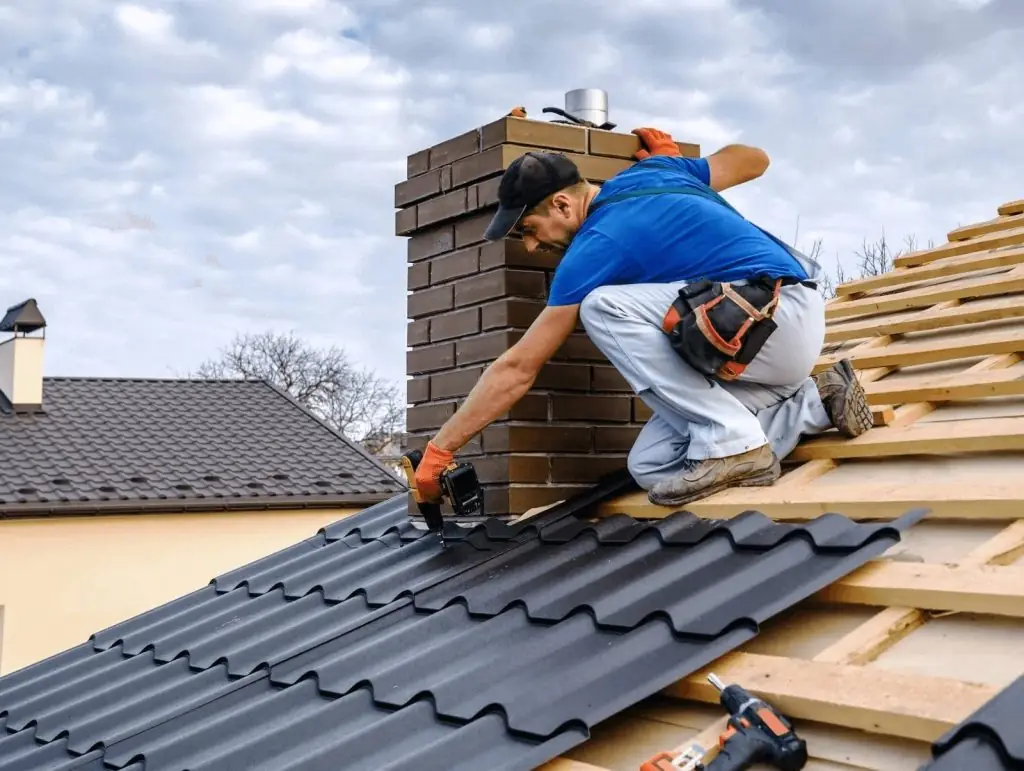
Metal panel installation follows manufacturer specifications exactly, ensuring warranty compliance and optimal performance. We use specialized tools including panel benders, seaming equipment, and metal-cutting tools that create clean, precise cuts without damaging protective coatings. Each panel receives individual attention verifying proper alignment, adequate fastening, and correct seam formation before proceeding to subsequent courses.
Standing seam systems require specialized seaming tools creating weatherproof mechanical seams between adjacent panels. We verify proper seam engagement throughout entire panel lengths, ensuring consistent seam height and engagement meeting manufacturer requirements. Fastening clips attach panels to structural members at specified intervals, allowing thermal movement while preventing wind uplift.
Exposed fastener installations use corrosion-resistant screws with EPDM washers installed at precise torque preventing both under-tightening (allowing leaks) and over-tightening (compressing washers excessively or dimpling panels). We follow specific fastening patterns ensuring adequate attachment density while avoiding excessive penetrations.
Comprehensive Flashing and Trim Work
Metal roofing performance depends critically on proper flashing around chimneys, skylights, valleys, roof penetrations, and roof-to-wall intersections. We fabricate custom flashing components using same materials and finishes as primary roofing panels, creating integrated weatherproofing systems without appearance mismatches.
Valley flashing installations incorporate ice-and-water shield underlayment extending beyond valley centerlines, with formed metal valley pans sized appropriately for roof area draining to each valley. Ridge caps, hip caps, and rake trim receive careful installation ensuring weathertight closures while accommodating thermal movement. Penetration flashing for vents, pipes, and equipment mounts gets individually fabricated ensuring perfect fits without relying on generic boots potentially incompatible with metal roofing profiles.
Gable and eave trim creates finished edges while providing proper water shedding. We ensure all trim pieces overlap correctly following water flow patterns, seal joints with appropriate sealants, and attach securely without over-constraining thermal movement. This attention to flashing and trim details separates professional metal roofing installations from amateur work prone to leaks and premature failures.
Ventilation Integration
Proper ventilation proves essential for metal roofing performance by preventing condensation accumulation on panel undersides. We design ventilation systems providing balanced intake and exhaust airflow, typically incorporating continuous soffit vents for intake and ridge vents for exhaust. Metal roofing’s impermeability means moisture generated within homes must escape through ventilation rather than diffusing through roofing materials as occurs with some other systems.
We ensure adequate ventilation space between metal panels and roof decking, typically maintaining 1-2 inch air gaps enabling airflow and preventing condensation. Special underlayment products incorporating drainage channels enhance ventilation and moisture management. For Mission Viejo’s climate where extreme cold isn’t a concern, ventilation primarily addresses summer heat buildup and year-round moisture control.
Quality Control and Final Inspection
Every installation concludes with comprehensive quality inspection verifying all work meets our standards and manufacturer specifications. We examine seam engagement, verify fastener installation, check flashing integrity, and ensure all penetrations and transitions receive proper weatherproofing. Any deficiencies discovered during final inspection get corrected immediately before project completion.
We conduct thorough job site cleanup removing all debris, metal scraps, and fasteners. Magnetic sweepers collect metal shavings and dropped fasteners that might damage tires or injure people. We protect landscaping throughout installation using drop cloths and equipment pads, leaving properties cleaner than we found them.
Metal Roofing Maintenance and Repairs
While metal roofing requires minimal maintenance compared to conventional materials, periodic attention and prompt repairs ensure systems deliver full expected service life.
Routine Maintenance Requirements
Annual inspections identify developing issues requiring attention. We examine sealants at penetrations and transitions checking for deterioration, verify fastener integrity on exposed fastener systems, clear debris from valleys and drainage areas, and assess coating condition. These proactive inspections typically reveal minor maintenance items that simple interventions address before they become significant problems.
Fastener maintenance on exposed fastener systems involves inspecting washer condition and replacing deteriorated fasteners before leaks develop. We recommend fastener assessment every 10-12 years with replacement of any fasteners showing washer degradation. This relatively inexpensive maintenance prevents the water damage that occurs when fastener seals fail.
Coating renewal extends metal roofing life when original finishes show significant fading, chalking, or degradation. We clean panels thoroughly, address any corrosion, and apply compatible coating systems restoring appearance and UV protection. Coating renewal typically costs $2-4 per square foot—a fraction of replacement costs while extending roof life 15-20 years.
Metal Roofing Repairs
Metal roofing repairs address damage from falling branches, severe weather, installation defects, or component failures. We repair or replace damaged panels, reseal failed seams, correct flashing problems, and address fastener issues. Metal’s durability means repairs often prove more straightforward than with other materials since underlying structure typically remains sound even when surface damage appears severe.
Panel replacement requires removing affected sections, preparing substrates, and installing new panels matching existing materials. We maintain relationships with metal roofing manufacturers enabling us to source matching panels even for older installations using discontinued products. When exact matches prove impossible, we strategically locate replacement panels in less visible areas or recommend coating systems creating uniform appearance.
Service Areas Throughout Mission Viejo and Orange County
Our metal roofing services protect properties throughout Mission Viejo and surrounding South Orange County communities where premium performance and longevity justify metal roofing investment.
Mission Viejo Properties
From contemporary custom homes to properties seeking fire-resistant roofing in hillside locations, we’ve installed metal roofing throughout Mission Viejo neighborhoods. Our familiarity with local HOA requirements helps navigate architectural approval for metal roofing in communities where getting approval requires careful material selection and presentation.
Surrounding Communities
Lake Forest, Laguna Niguel, Rancho Santa Margarita, Aliso Viejo, Laguna Hills, and all South Orange County areas receive comprehensive metal roofing expertise. Our service area encompasses properties throughout Orange County where metal roofing’s advantages align with owner priorities.
Frequently Asked Questions About Metal Roofing
Is metal roofing noisy during rain?
Properly installed metal roofing with solid substrate and adequate insulation produces no more interior noise than other roofing types during rainfall. The myth of noisy metal roofs originates from agricultural buildings with metal installed over open framing without insulation. Residential installations over solid decking with attic insulation show no appreciable noise increase versus shingle or tile systems.
Does metal roofing attract lightning?
No, metal roofing doesn’t attract lightning strikes. Lightning seeks the highest point and the path of least resistance to ground—factors unrelated to roofing material. Metal roofing actually provides safety advantages if struck since metal disperses energy without igniting, whereas other materials might combust from lightning-induced heat.
How much does metal roofing cost compared to other materials?
Metal roofing typically costs $10-18 per square foot installed for premium standing seam systems—substantially more than asphalt shingles ($3-6/sq ft) but comparable to premium tile ($12-20/sq ft). However, metal’s 50-75 year lifespan means lifetime costs often prove lower than materials requiring 2-3 replacements over the same timeframe.
Can metal roofing be installed over existing shingles?
While sometimes possible, we generally recommend removing existing roofing enabling thorough decking inspection and ensuring optimal substrate conditions. Metal roofing over shingles traps moisture potentially causing decking deterioration, violates some building codes, and may void manufacturer warranties. The modest cost savings rarely justify potential long-term problems.
What maintenance does metal roofing require?
Annual inspections, periodic debris removal, and occasional fastener replacement on exposed fastener systems comprise primary maintenance. Metal roofing requires substantially less maintenance than shingles or tile. Most homeowners simply enjoy decades of trouble-free performance without active intervention beyond occasional cleaning.
Will metal roofing rust?
Modern metal roofing incorporates metallic coatings and paint systems preventing rust when properly maintained. Steel products use galvanized or Galvalume coatings providing corrosion barriers. Aluminum and copper don’t rust. Premium coating systems deliver 30-50 year warranties against coating degradation. Proper installation preventing moisture entrapment ensures metal substrates remain dry and corrosion-free.
Can I walk on metal roofing?
Yes, with proper precautions. Metal roofing supports normal maintenance foot traffic when walking on panel flats rather than raised seams. We recommend rubber-soled shoes and avoiding walking during hot weather when panels expand. Professional maintenance avoids unnecessary roof access minimizing wear on protective coatings.
Does metal roofing void my homeowner’s insurance?
No, metal roofing typically reduces insurance premiums through superior wind and fire resistance. Many insurers offer discounts for metal roofing’s durability and fire-resistant characteristics. Contact your insurance agent about available discounts when considering metal roofing.
What colors are available for metal roofing?
Dozens of standard colors span earth tones, grays, blues, greens, reds, and specialty metallics. Custom color matching enables precise coordination with architectural elements. We provide color samples and can arrange viewing installed roofs in similar colors helping you visualize appearance options.
How long do metal roofing warranties last?
Material warranties typically cover 30-50 years against coating degradation, fading, and chalking. Substrate warranties often extend 40+ years. Installation workmanship warranties range 10-30 years depending on contractor and system complexity. We provide comprehensive warranty documentation detailing all coverage.
Why Choose Our Metal Roofing Services
Our metal roofing specialization ensures installations deliver the performance, longevity, and aesthetic quality that justify premium investment. We maintain ongoing manufacturer relationships providing access to latest products, technical support, and certification programs ensuring our crews remain current on best practices.
📍 Office Address: 26040 Acero Suite 202, Mission Viejo, CA 92691
📞 24/7 Hotline: (949) 528-7663
✉ Email: roofer714@gmail.com
🌐 Website: https://missionviejoroofrepairs.com/
Every metal roofing project receives detailed planning, precision installation, and comprehensive quality control. We invest in specialized equipment, maintain extensive material inventories, and employ experienced craftsmen who understand metal roofing’s unique requirements.
Contact our team to discuss metal roofing for your Mission Viejo property. We’re committed to delivering premium roofing solutions that protect your investment while providing energy efficiency, fire resistance, and exceptional longevity through proven metal roofing technology.